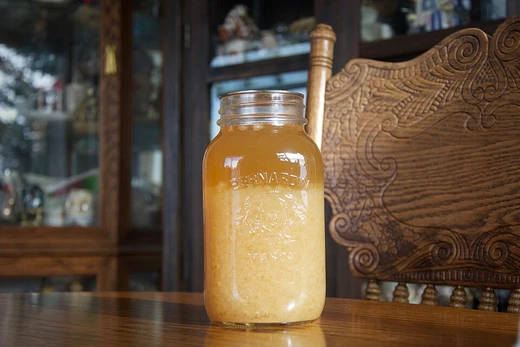
Fermentation in food processing
Ancient microbial conversion of carbohydrates into alcohol and acids.
Fermentation in food processing is the conversion of carbohydrates to alcohol or organic acids using microorganisms—yeasts or bacteria—without an oxidizing agent. The science of fermentation is known as zymology or zymurgy. Natural fermentation predates human history, with the earliest archaeological evidence being 13,000-year-old beer residue found in a cave near Haifa, Israel.
- field
- Food processing, microbiology
- key_process
- Conversion of carbohydrates to alcohol or organic acids by microorganisms
- earliest_evidence
- 13,000-year-old beer residue in Israel
- scientific_founder
- Louis Pasteur (1856)
- cell_free_discovery
- Eduard Buchner (1897)
Lore & Background
Fermentation has been exploited since ancient times, likely discovered unintentionally when excess foods were stored in containers and forgotten, allowing yeast and bacteria to grow. Early alcoholic drinks include a 13,000-year-old beer-like gruel from Israel, a fruit-rice-honey drink from 7000–6600 BC in China, and wine from circa 6000 BC in Georgia. Evidence of fermented drinks also appears in Babylon, ancient Egypt, pre-Hispanic Mexico, and Sudan.
Reader's Guide
The French chemist Louis Pasteur founded zymology in 1856 by connecting yeast to fermentation, concluding that fermentation was catalyzed by a vital force within living yeast cells. In 1897, Eduard Buchner discovered that sugar could be fermented without living yeast cells, by an enzyme complex he termed zymase, earning the Nobel Prize in Chemistry in 1907. Fermentation produces alcohol, preservative organic acids, and carbon dioxide, used to make wine, beer, bread, and preserved foods. It enriches diet, preserves food, adds nutrients, eliminates antinutrients, and reduces cooking time. Fermented foods are universal, with regional varieties including kimchi, miso, tempeh, yogurt, cheese, sauerkraut, and fish sauces. Risks include botulism if sterilization is inadequate, especially in traditional Alaska Native practices using plastic containers, and a carcinogenic by-product, ethyl carbamate.
Did You Know?
- The earliest archaeological evidence of fermentation is 13,000-year-old beer residue found in a cave near Haifa, Israel.
- Louis Pasteur founded zymology in 1856 by connecting yeast to fermentation.
- Eduard Buchner discovered cell-free fermentation in 1897, winning the Nobel Prize in Chemistry in 1907.
- Alaska has more cases of botulism than any other U.S. state, linked to traditional fermentation of animal products in plastic containers.
More in Fermented Foods 1-17
Spotted an error? Know more?
This is a living reference — every entry is fact-audited, and reader corrections feed straight into our audit queue. Suggest an edit · See this site's audit record